



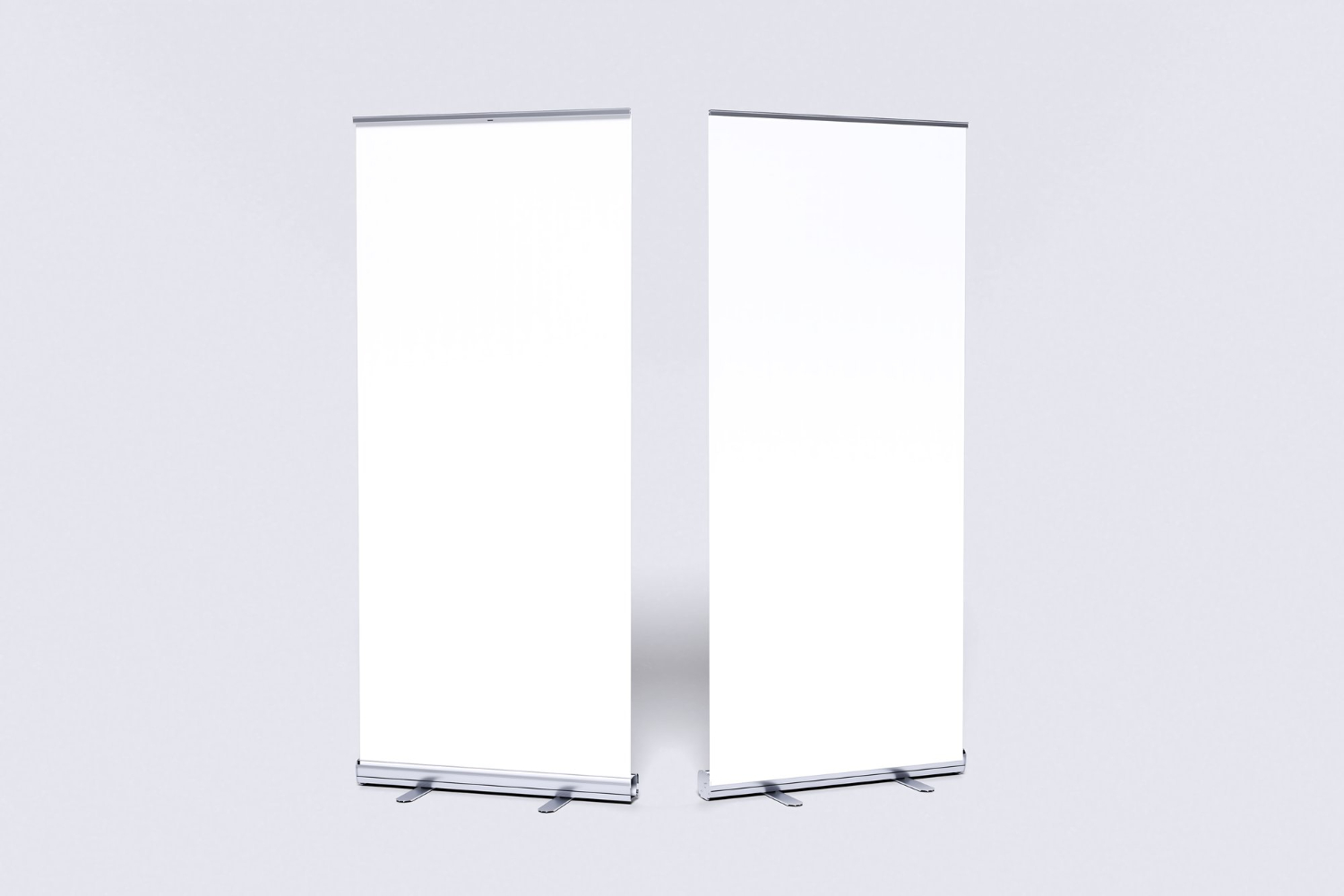
Spring trade shows are a good time to take a fresh look at how our booth setup is helping, or hurting, foot traffic. When visitors walk past us in a crowded hall, sometimes what catches their eye isn’t what we say but where things are placed. That’s where something like a trade show banner stand can do more than just look nice. It can pull traffic in when it’s used the right way.
Placement plays a big part in whether people notice our booth or just keep walking. Too often, a banner stand sits where it’s almost invisible or doesn’t really support the rest of the setup. A few small changes in position can make a big difference in who stops by. Here are some ideas that can help turn a passive display into a welcoming, eye-catching booth.
Think Entrance First
The closer our banner stands are to foot traffic, the more likely they are to do their job. That’s why the front corners of our space are great starting points.
- Put banner stands near the front edge of the booth or along the aisle where people are already walking.
- Angle the banners slightly inward, not flat against the back wall, so they pull the eye toward our space and create a sense of flow.
- Keep the top half simple and strong. People don’t stop to read long blocks of text, so a short message or key phrase near eye level works best for catching attention.
Front placements are all about visibility. If someone glances over quickly, what they see in that flash needs to make them want to know more. When you put a banner stand in just the right spot at the entrance, you are giving your booth a chance to make a strong first impression. The entrance is your one shot with each person who passes by, so use that space to say something clear and bold.
Use Banner Stands to Support Conversation Zones
Once a visitor steps in, the booth should feel organized but not overstuffed. Banner stands can act as silent helpers that hold key messages in the background while we talk.
- Keep stands a few feet behind or off to the side of greeting areas so they don’t block the view or crowd the space.
- Avoid lining up multiple banners too close together. It’s better to space them out so each one stands on its own and doesn’t interfere with how we interact with people.
- Use banners to answer obvious questions. If someone’s going to wonder what we do or who we serve, put those answers where they’re easy to read from a few steps away.
Conversation areas work best when nothing gets in the way of real engagement. Banner stands here should feel helpful but not overwhelming. By placing a banner stand within sight but outside the main activity, we invite visitors to look up for more information or context without interrupting the flow of conversation. These banners work like extra team members, speaking quietly to visitors who may come close but haven’t started chatting yet.
Match Height and Placement to Content
A great-looking banner can still go unnoticed if we don’t think through where and how it’s placed. Font size, layout, and spacing off the floor all matter.
- Keep main messages between waist and eye level. Anything below someone’s knees probably won’t be read.
- Don’t squeeze banners in too close to product tables or touchscreens. Give both enough space so they can stand out on their own.
- Stick to a clear, repeated color theme. When the banners match each other, and the rest of the booth, they help create a clean, professional look.
For printed materials to land well, they have to be seen clearly. A smart setup lets the content speak without making people work to read it. When we think about height, we should put ourselves in the shoes of someone walking by or waiting their turn. Messages positioned too high or low are easy to miss. The sweet spot is usually the middle, right where eyes land on their own. Setting up the banner this way means most people read our key points as soon as they stop by, which keeps things simple for everyone.
Our banner stand options feature both single and double-sided print, and can be customized in height and width to fit different display areas within your booth. Retractable stands, fabric banners, and modular frames are available to fit booth corners, aisle spots, or entryways.
Use Corners or Ends for Direction
Sometimes booths cover more ground than a simple front-facing table. When our layout includes corners, side-walls, or open ends, banners can help tell people where to start.
- Place standout banners at the outer edges to signal “enter here” or lead visitors in the right direction.
- Keep instructions or quick details large and at the top, so anyone passing by can take them in on the move.
- Make sure nothing blocks the path in or out. Stands that direct flow should feel like a guide, not a barrier.
The goal here isn’t just to fill in blank space, it’s to steer people into the booth naturally, without confusion or clutter. When someone is walking through rows of booths, a banner stand used on the corner acts as a guide. It’s almost like a signpost, pointing the way and providing just enough information to draw someone in. This placement works well for open-concept layouts and for any larger booth that’s not contained on all sides. It also keeps entries clear so people feel invited rather than blocked.
Avoid Common Placement Mistakes
Even the best-looking materials lose impact when they’re stuck in awkward spots. We’ve seen a few mistakes that are easy to prevent with some planning.
- Never tuck banner stands behind furniture or side displays. If we can’t see it from 10 feet away, it’s not helping.
- Watch where people need to move. If a banner makes it harder for our team to walk, hand out materials, or greet visitors, it’s in the wrong place.
- If our neighbor’s booth is close by, adjust the angle of our banner stand slightly inward so it draws attention back to our message.
A few extra minutes spent checking sightlines and walkways can save the booth from traffic jams and missed chances. Sometimes, booth staff get caught up in setting up other displays or just run out of time, and banners end up tucked away where they’re hard to see or easy to trip over. Planning ahead by walking around your space and seeing it from a visitor’s eyes can really help avoid these mistakes. Make sure each banner stand stands tall and proud, delivering its message without being missed or blocking the flow.
Make First Impressions Count
The opening moments at a trade show matter. Before anyone speaks, they’re already taking in the space. That’s why we like banner stands that do more than decorate, they earn their place.
- Where we set up a trade show banner stand can change how people approach us, whether they see our message early, and how they move through the booth.
- A well-placed banner gives context before we even start talking. It sets up the greeting, helps outline what we offer, and reduces the number of “So what do you do?” questions.
- Each part of the booth supports the others. When the banners are positioned with thought and purpose, the rest of the space feels put together and easy to step into.
We don’t get to control the crowd or the noise or the rush of spring trade shows. But we can control how clear and inviting our setup feels. And often, that starts with something as simple as where we place a banner. The feel of the booth, from the first moment someone arrives, can make all the difference between someone stopping to chat and someone walking right by. First impressions don’t happen twice, so every detail, from banner placement to welcoming staff, matters.
Updating your booth before the next event can make a big difference in audience engagement, especially when the right display is placed in an optimal spot. We’ve seen how a thoughtfully positioned sign draws attention and helps guide the flow of foot traffic. For a setup that’s as reliable as it is versatile, consider a trade show banner stand that meets the demands of busy live events. At First Trade Show, we help you create an organized, focused exhibit space that invites visitors in and leaves a lasting impression. Contact us to discuss your vision and needs for your next show.