



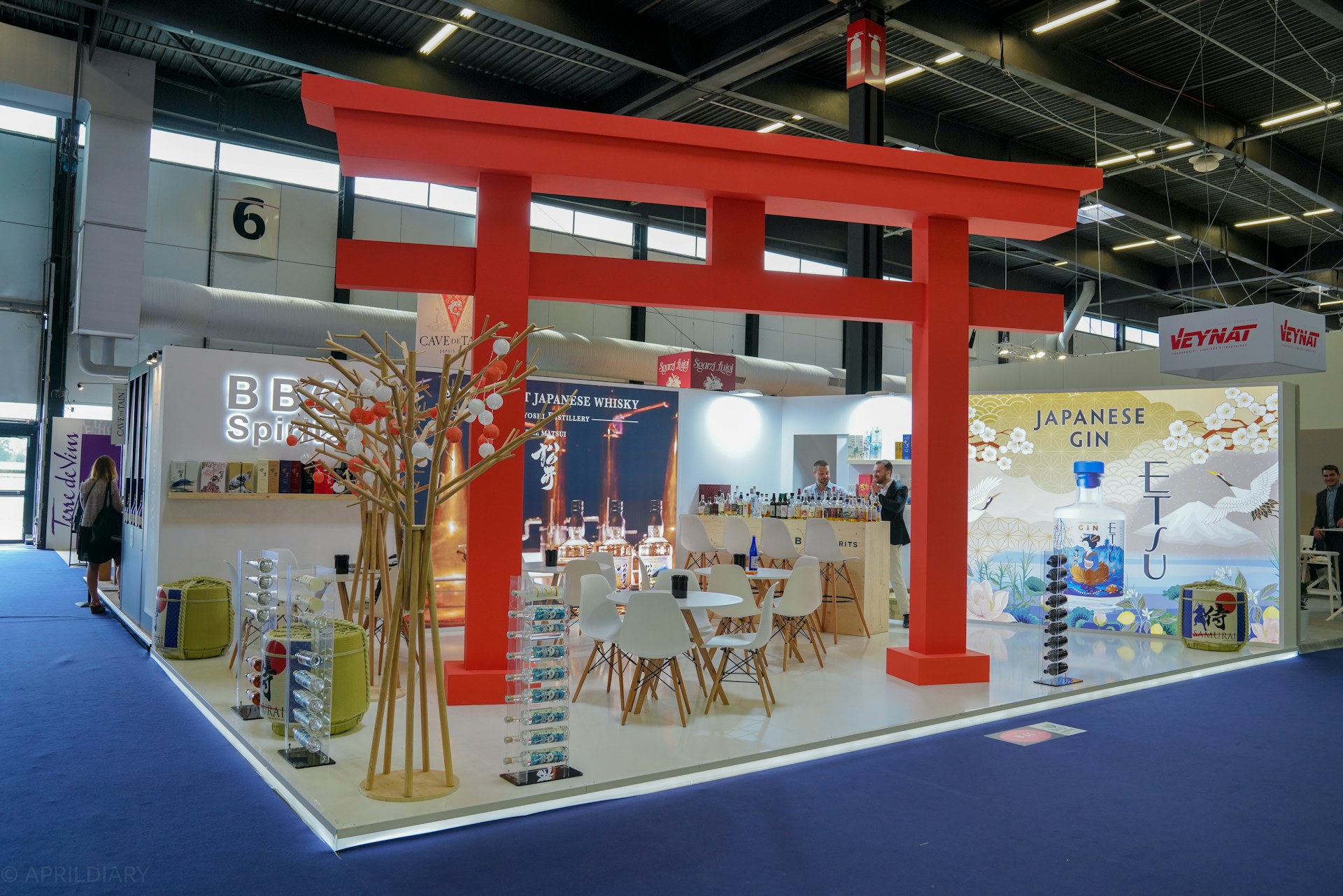
Turn Trade Show Accessories Into Strategic Assets
Trade show accessories are not just extras you toss in at the end. When you plan them right, they are the small pieces that shape your whole booth. Think of them as building blocks you can move, stack, and reuse, show after show.
When we look at accessories this way, it is easier to adjust to different booth sizes, show rules, and crowds. Late summer events that kick off the busy fall season often feel different from spring shows. With flexible pieces, you can shift your setup without starting over or losing your brand look.
Our goal is to show you how to build a booth that can grow or shrink, stay on brand, and still feel fresh. With the right strategy, your trade show accessories start working like a smart toolkit, not a box of random parts you hope will fit.
Why Modular Thinking Changes Your Trade Show ROI
In trade show language, modular means parts that connect in different ways. You can rearrange, reuse, and mix them into new layouts without buying a whole new booth. Instead of one fixed setup, you get a system.
Modular accessories help your ROI in simple, practical ways:
- Smaller and lighter pieces can cut shipping and material handling
- Fewer one-off items means fewer last-minute orders
- Simple connections help your team set up and pack up faster
- Pieces work across many shows, so each item has a longer working life
When you treat your booth like a kit, it is also easier to test what works. You can try a new traffic flow at one show, then adjust for the next. Move a counter, swap a banner stand, or shift a monitor, then watch which layout pulls more people into your space or supports better conversations.
Over a full show calendar, modular planning turns into a feedback loop. You tweak small parts instead of rebuilding everything. That keeps your brand steady while your layouts improve from show to show.
Core Building Blocks Every Modern Booth Needs
Before we talk about accessories, we need a strong base. Think of your booth like a body. It needs a skeleton, skin, and some smart support pieces.
The structural “skeleton” often includes:
- Portable backwalls that pack small but look large
- Modular frames that can stretch from 10×10 to 10×20 and beyond
- Island exhibit elements like towers or arches that you can reconfigure
On top of that, graphics act like the “skin,” covering the structure with your message and visuals. With the right system, you can keep your hardware and just swap out printed graphics. That makes it easy to update for:
- Seasonal campaigns
- New product launches
- Different regions or types of attendees
Then there are the foundations that keep your space comfortable and polished. Modular flooring can outline your area and guide traffic. Counters can double as storage, demo spots, or reception points. Hidden storage, like shelves built into walls or counters, helps keep bags, swag, and gear out of sight, so the booth looks clean even on a long show day.
Trade Show Accessories That Work Like LEGO Pieces
Now we get to the fun stuff: trade show accessories that act like LEGO pieces. These are the parts you snap in and out to change how your booth behaves, not just how it looks.
Some of the most flexible pieces include:
- Banner stands that can create backdrops, side walls, or focal points
- Kiosks and counters for demos, sampling, or check-in
- Lightboxes to highlight key products or messages
- Shelving for product display that can move from wall to tower
- Tablet stands and monitor mounts for digital content and lead capture
These pieces help you create zones inside your space. For example, you might build:
- A demo zone with a monitor, shelving, and a counter
- A meeting zone with stools and a counter-height table
- A sampling or product zone with shelving and a lightbox
- A lead-capture zone near the aisle with a tablet stand and banner
With smart planning, you can adapt a simple 10×10 booth into larger footprints. Add a second backwall, more banner stands, or an extra kiosk, and you can flip a small inline setup into a 10×20 or even support an island design.
Portability is key here. Cases that convert to counters, nesting elements that pack inside each other, and lightweight structures keep things easy to move. That lowers labor needs and cuts shipping weight, while still giving you a strong, high-impact presence.
Designing Seasonal and Show-Specific Configurations
A modular booth really shines when your show calendar heats up. Instead of building a new booth for each event, you build a master kit that you can dial up or down.
Your kit might include:
- One main backwall system
- A few banner stands with swap-out graphics
- Two or three counters with hidden storage
- A mix of monitor mounts, tablet stands, and shelving
- Portable flooring tiles that can fit different footprints
From there, you can plan seasonal looks. For a late-summer product push, you might pick bold graphics, bright colors, and more demo stations at the front of the space. For a fall conference with deeper talks, you might lean into softer branding, more seating, and a layout that supports longer meetings and lead capture.
To keep everything smooth, it helps to:
- Create a configuration playbook with diagrams for each show size
- Label cases and modules clearly so teams know which pieces go where
- Work with design support to pre-visualize each layout before show season
This way, no matter where your show is or what the crowd is like, you already have a plan in place. Your team just opens the right cases, follows the map, and builds the setup chosen for that event.
Partnering with Pros to Build Your Modular Booth System
Designing a modular system does not have to be overwhelming. A professional exhibit partner can look at what you already own and help you decide what stays, what goes, and what needs to be added.
A typical process might include:
- A discovery chat about your goals, key shows, and booth sizes
- An audit of your current displays, graphics, and accessories
- 3D layout concepts that show how pieces can reconfigure
- Guidance on hardware and materials that hold up over multiple seasons
- A phased plan so you can add or upgrade pieces over time
Common worries like budget, storage space, or a future rebrand are part of this talk. Instead of tossing everything and starting from zero, you can build a path that grows with your schedule and brand needs.
At First Trade Show, we focus on trade show exhibits, graphics, and accessories that work together in modular ways. From portable displays to island exhibits and smart add-ons, we help you create a flexible system you can manage with confidence, whether your next event is a small local show or a major national expo.
Get Started With Your Project Today
Bring your next exhibit to life with high quality details that match your goals, budget, and timeline. Explore our curated selection of trade show accessories to find everything you need to complete your booth with a professional finish. At First Trade Show, we work with you to create a cohesive, branded experience that stands out on a crowded show floor. If you would like guidance or a custom recommendation, simply contact us and our team will help you plan the next steps.