



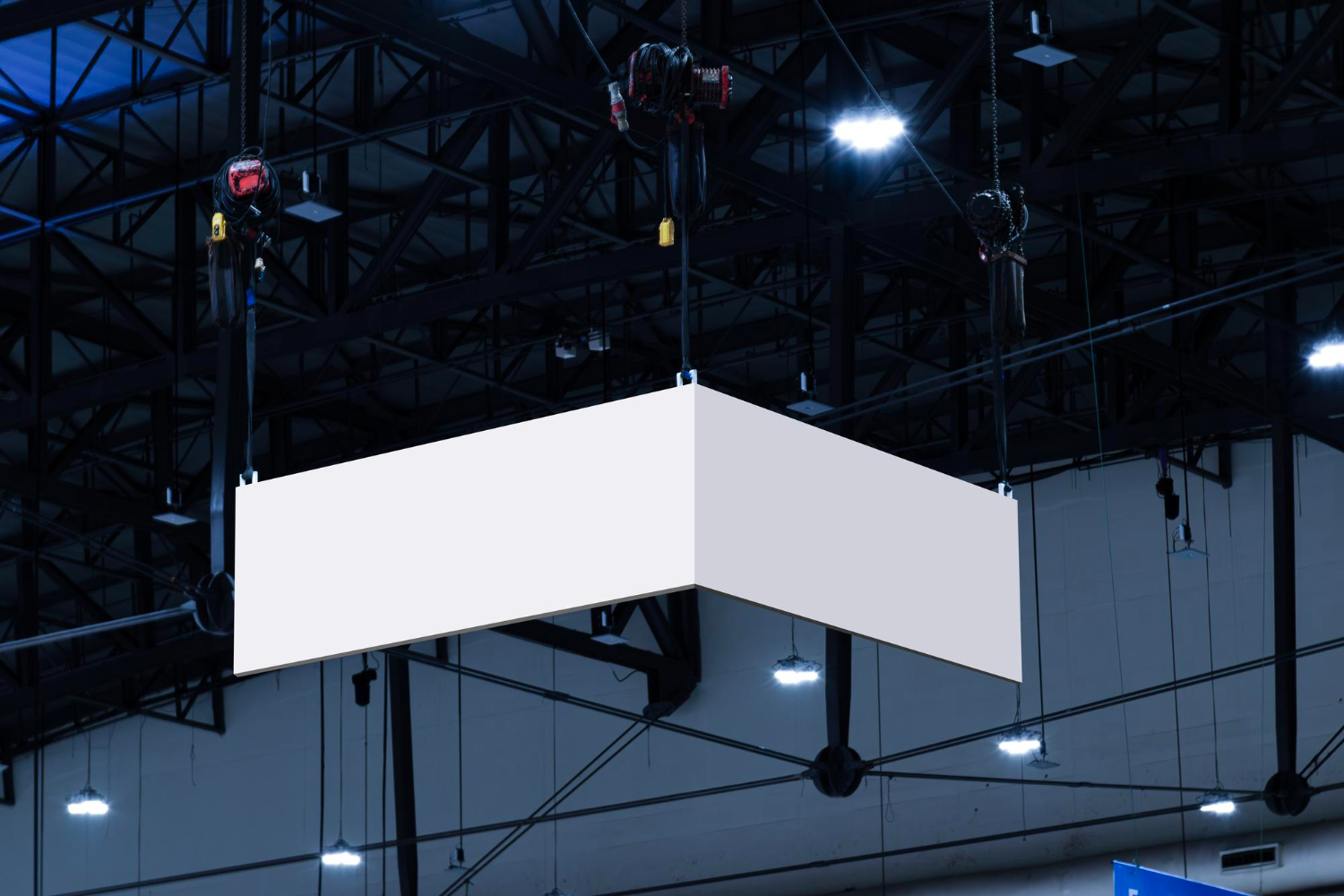
Trade show mornings move quickly, and Friday setups can feel even tighter. There’s a rush to get on the floor, find your gear, and make sure the booth looks polished before attendees start walking through. Many teams arrive early, but even with extra time, things can stack up fast. That’s why having a smart plan for hanging sign assembly can shave minutes off your morning and lower the stress.
Overhead signs are some of the biggest visual draws in any trade show space. They help visitors spot your booth from across the room. Still, they only work if they’re installed correctly. Misaligned signs, last-minute fixes, or rushed jobs can throw off everything else that follows. A little planning the day before can make Friday smoother and safer for everyone involved.
Plan Ahead the Day Before
Most issues with overhead signs start with poor prep. Getting ahead of small mistakes is the easiest way to avoid delays when you’re short on time.
- Make sure every part of the hanging sign is accounted for. Check hardware, connectors, fasteners, fabric panels, and frames. Pack any tools you’ll need, too.
- Contact venue staff the day before to double-check their rigging rules. Some setups require union labor or scheduled time slots for lifts and riggers, which cannot be worked around once doors open.
- Think about the order in which you’ll need your parts. Pack your containers so the first pieces to go up are on top instead of buried. That way, you can unpack the sign quickly and get right to work.
Walking through the process before show time means you’ll catch anything that feels off long before you’re on-site, and solving it will not cut into your morning.
Keep it Simple During Setup
Once setup starts, things shift fast. Staying organized in real time makes a big difference, and can keep small hold-ups from turning into bigger problems.
- Use labeled bins or clear containers so the right parts are easy to spot. No digging, no guessing.
- Follow the printed or digital assembly steps one by one. Missing small details early on can lead to redoing the work later.
- When securing frame pieces, tighten carefully. Avoid over-tightening bolts or over-stretching fabric, both of which can cause damage or lead to alignment problems once a sign is lifted into place.
Small habits such as checking connections or working in pairs can create a smoother pace during the busiest windows of the day.
Know the Rigging Requirements
Every venue has its own list of do’s and don’ts when it comes to what hangs above the booth. Getting clear on these ahead of time gives you more control the morning of the show.
- Find out the ceiling height limits and weight restrictions for the show floor. Know which signs require certified riggers and how to schedule them if needed.
- Use approved safety gear to hold elevated elements in place. Zip ties, steel cables, and rated hooks should be the minimum for signs hanging overhead.
- If something doesn’t look safe, stop and ask before going ahead. Trade show crews are often nearby during setup hours and can help flag anything that needs to be changed.
Rigging errors not only slow you down, they can make the space unsafe for others. A few minutes checking on requirements is always worthwhile.
Our hanging sign solutions feature lightweight aluminum frames, specialized connectors, and custom printed fabric panels for maximum impact and efficient installation. All signs are designed to work with standard trade show rigging systems and meet most major venue requirements.
Use Extra Hands for Efficiency
On a Friday morning, more help means less waiting. The trick is making sure everyone knows their role before setup starts.
- Assign someone to unpack each section of the display, while another person reads through the steps out loud. Others can hold parts in place or lift frames into position.
- Keep communication constant. If a part is missing or something doesn’t fit, call it out so the group can adjust quickly.
- Even if it feels simple, overhead signs always go faster with a few extra pairs of hands, especially when you’re working around ladders and lifting frames.
When the whole crew knows where to focus, there’s less standing around and more actual progress where it counts.
Test for Fit and Alignment
The sign might be up, but don’t move on just yet. Even small misalignments can change how the booth looks or how well it catches attention across the floor.
- Step back and check if the sign hangs straight. Make sure the text or graphics face the right direction and aren’t angled away from sightlines.
- Look for wrinkles, gaps, or twists in the fabric. Fix them now before the show opens and walking paths fill up.
- Test the lighting. If the hanging sign affects light in other parts of the booth or casts odd shadows, adjust placement to find the right balance.
This step does not take long but does a lot to clean up the look of your overall booth.
Start Strong With Less Stress
The whole goal of a clean hanging sign assembly is to start the day with peace of mind. When this part of the setup goes well, the tone for the rest of the trade show tends to follow.
- Great prep the night before takes pressure off the next morning.
- Clear labeling and coordination keep teams focused instead of overwhelmed by clutter.
- Having extra people around gives the whole group more time to double-check the booth and settle in before traffic picks up.
It’s easy to feel rushed on a Friday before a trade show. With the right steps, getting your sign in place can feel steady and calm, not scattered. That way, your booth is ready before the floor opens, and you’re free to focus where it matters most.
Ready to optimize your next setup with less guesswork and more impact? A thorough review of your booth design can make all the difference, especially when every element visible from across the floor works together seamlessly. With so many moving parts, professional support can help you avoid delays during tasks like hanging sign assembly. At First Trade Show, we make sure your team shows up prepared and focused. Contact us today to discuss how your next setup can run smoother from the start.