



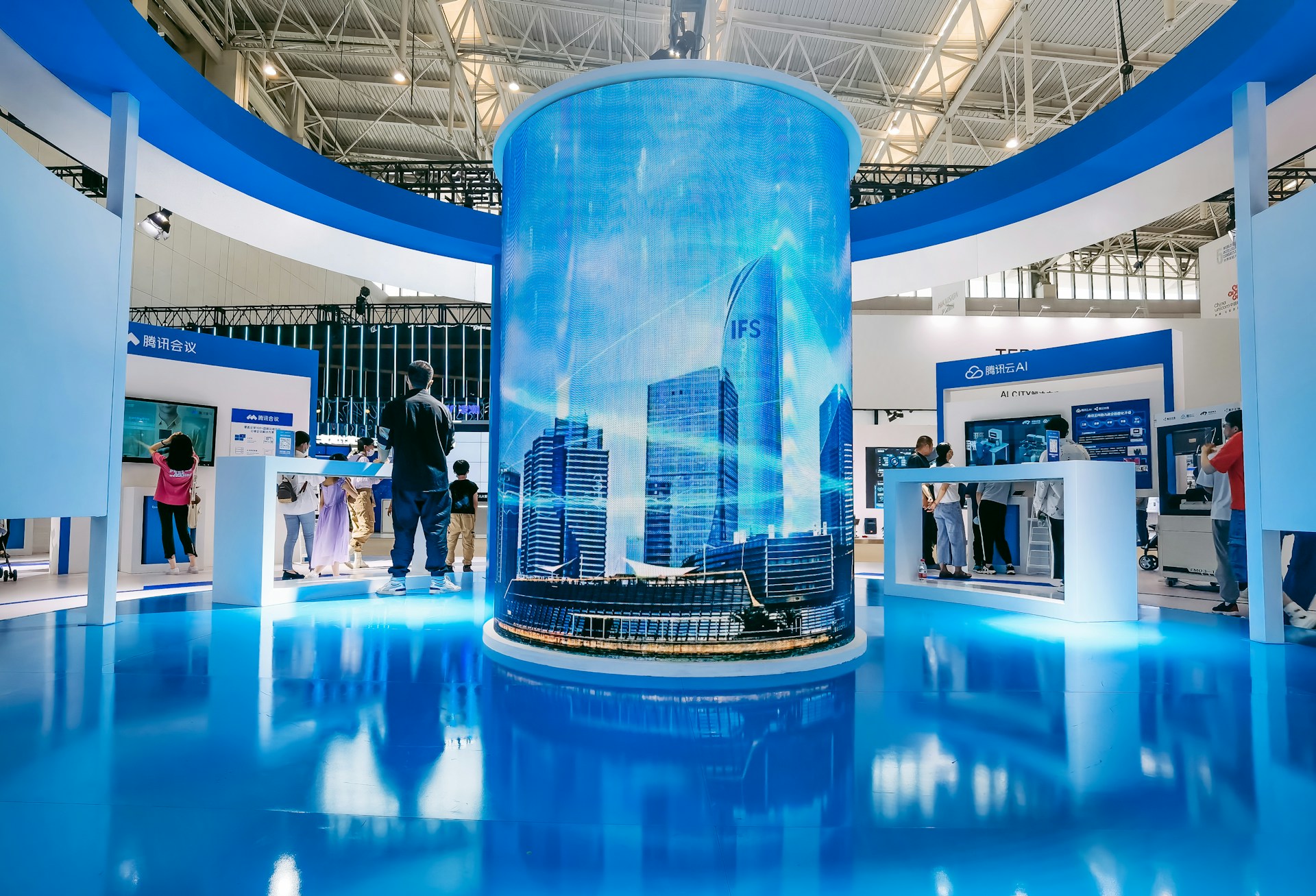
Stop Letting Little Things Sink Big Trade Show Wins
A booth can look amazing and still fall flat. The structure is bold, the graphics are sharp, the product is strong. Yet traffic drifts past, conversations are short, and real leads never quite build. Often the problem is not the booth itself; it is the trade show accessories that quietly work against you.
Small choices add up. Poor lighting hides your best graphics. Flimsy stands wobble. Counters turn into clutter piles. These things seem minor when you are packing for a busy late-summer or fall show, but they shape how people feel in your space and how long they stay. As a trade show exhibit partner, we see how these silent saboteurs hurt brands, and we also see how a few smart changes turn accessories into real support for your goals.
In this article, we will walk through common mistakes that come from trade show accessories, how they hurt your brand story, comfort, and message, and how to spot them before your next event. Our goal is to help you treat every light, chair, counter, and rack as part of the story you tell.
When Accessories Confuse Your Brand Story
Your booth should feel like one clear story. The colors, furniture, graphics, and small details should all look like they belong to the same brand. When accessories do not match, that story breaks.
Some of the most common branding problems come from:
- Inconsistent colors that fight with your main booth graphics
- Random furniture styles that look like a mix of office, living room, and café
- Mixed print finishes, like glossy signs next to dull, faded panels
- Off-brand or generic graphics on counters and stands
There is also a balance issue. Sometimes every single item is covered with a logo. Bags, stools, table covers, podiums, all shouting at once. That much branding can feel loud and pushy. Other times, there is almost no branding on accessories at all. The booth feels like any other space on the show floor, and people forget who they just talked to as soon as they walk away.
A simple fix is to create a small visual kit for your team. This can include:
- Approved colors and tones
- Two or three materials, like wood, metal, or fabric
- A clear style for lighting, such as warm and soft or bright and crisp
- A basic graphic order, so you know which messages are big, medium, and small
Before each show, pull out your kit and look at your current trade show accessories. Which items match? Which look out of place? This quick check can help you decide what to retire, what to update with new graphics, and where a coordinated counter or accent piece would help pull everything together.
Comfort Killers That Drive Visitors Away Early
People at trade shows are tired. It can be hot outside, the halls are busy, and by late afternoon their feet hurt. The wrong furniture, flooring, and layout quietly push them away faster than you think.
Seating is a big one. Common mistakes include:
- No seating at all, which makes longer talks feel awkward
- Too many chairs that crowd your space and block movement
- Hard or low chairs that are tough to get in and out of
Flooring is another silent comfort killer. Thin carpet tiles with no padding under them might look fine at first, but your team will feel every hour they stand there. Busy patterns on the floor can also pull eyes away from your key messages and products.
Then there is traffic flow. A literature stand placed right at the edge of the booth can create a wall. A podium stuck in the center can cause people to squeeze around it. These little blocks cut off lines of sight and make it harder for staff to greet visitors in a relaxed way.
A better approach is to treat your layout like a simple path. Walk it the way a visitor would and ask:
- Where do my eyes go first?
- Where do my feet naturally move?
- Where can I pause for a quick talk?
- Where can I sit for a deeper demo?
Use accessories to mark clear zones. A front greeting spot with a clean counter. A demo area with a monitor and a stable stand. A conversation corner with a couple of comfortable stools. Comfort and flow work together to keep people in your space longer.
Lighting and Tech That Quietly Undercut Your Message
You can spend time and money on great graphics, then lose them to bad lighting. Harsh overhead glare can wash out colors. Dark corners can hide product displays. Uneven spotlights might make one graphic blindingly bright while another is hard to read.
Tech accessories can cause quiet trouble too. Common issues include:
- Screens that are too small for people to see from the aisle
- Tablets that sit too low or too high for easy use
- Cables snaking across the floor, looking messy and unsafe
- Self-serve demos that are confusing without clear prompts
Long show hours, especially at late-summer and fall events, make all this even more important. Tired eyes need clean, steady light and simple screens, not glare and chaos.
Helpful steps include using consistent LED lighting, pointing light at your key products and messages instead of just the floor, and planning where screens and tablets will live before you pack. Monitor mounts and tablet stands built for trade shows can keep tech at the right height, hide cords, and make the whole setup look planned and professional instead of thrown together at the last minute.
Curated accessories like lighting kits, monitor supports, and tablet kiosks can tie your tech into the rest of the booth, so it supports the story instead of stealing focus or adding clutter.
Giveaway, Storage, and Clutter Traps You Do Not Notice
Giveaways and printed materials can help people remember you, but they can also turn your booth into a mess. Stacks of brochures sliding across the counter, open boxes tucked behind a banner, and swag bowls overflowing onto every surface all send the same quiet message: chaos.
Clutter does more than look bad. It slows down your team, makes it hard to find what they need during busy rushes, and can even make people worry about how organized your business is behind the scenes.
Typical clutter traps include:
- Bulky giveaways that no one wants to carry in the heat
- Seasonal gifts that do not really match your message
- No hidden storage, so everything ends up in plain view
- Literature piles instead of vertical racks or clear take-one spots
A cleaner plan is to build storage right into your accessories. Counters with doors, shelves hidden behind graphics, and slim, branded literature racks keep things off the floor and out of sight. Short, clear signs can guide how visitors take materials, like one area for quick grab-and-go pieces and another for deeper content that staff hand out during real talks.
When every item has a home, your booth feels calm, open, and easy to move through. That is when your team can focus on people, not piles.
Turn Your Accessories Into Strategic Advantage
The big lesson is simple. Trade show accessories are not extras. They are tools. Every light, chair, stand, and counter helps tell your story, shape comfort, and support lead capture, or it quietly works against you.
Before your next late-summer or fall event, take a careful look at photos from past shows. Spot the silent saboteurs: the sagging literature stand in the corner, the dark product shelf, the cluttered counter, the chairs no one used. Then think about what you want people to feel in your space and choose accessories that match that goal.
At First Trade Show, we focus on custom exhibits, graphics, and accessories that work together as one complete booth. With the right mix of display solutions, lighting, furniture, and functional pieces, your accessories stop being a problem in the background and start becoming one of your biggest advantages on the show floor.
Upgrade Your Booth With Professional Trade Show Accessories
Give your exhibit a polished, cohesive look with the right details, from lighting and flooring to branded counters and literature stands. Explore our curated selection of trade show accessories to find everything you need to support your message and draw visitors in. At First Trade Show, we help you choose pieces that work together, pack easily, and hold up to repeated events. If you have questions or want guidance on your next show, simply contact us and we will help you plan the best options for your space.